
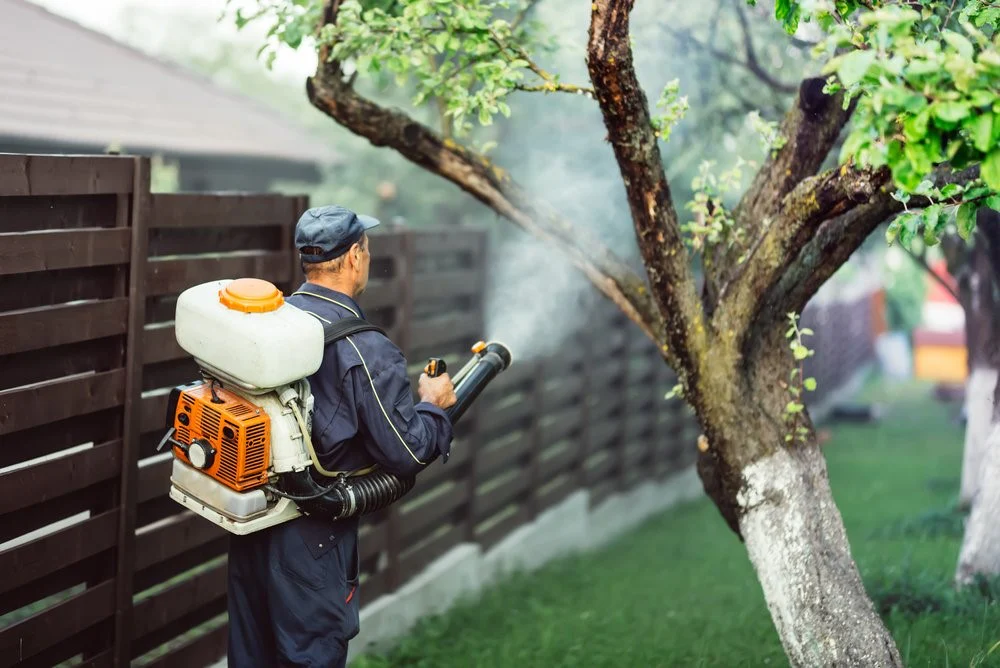
As awareness grows about the impact of chemicals on human health and the environment, more homeowners are seeking eco-friendly alternatives for everyday needs—including pest control. The good news is that environmentally responsible pest management has come a long way. Modern techniques can be both safe and highly effective, without relying on harsh or overused chemicals.
Whether you’re trying to protect your family, pets, garden, or local ecosystem, it’s entirely possible to control pests using methods that are smarter, safer, and more sustainable. Here’s a closer look at eco-friendly pest control—and what your options really are.
What Does “Eco-Friendly” Mean in Pest Control?
Eco-friendly pest control focuses on solving pest problems while minimizing harm to people, animals, and the environment. It goes beyond simply choosing “natural” products—it’s a mindset that prioritizes prevention, precision, and thoughtful treatment.
This approach typically includes:
- Using targeted applications instead of broad spraying
- Avoiding overuse of synthetic chemicals
- Leveraging natural deterrents and barriers
- Improving conditions that attract pests in the first place
- Encouraging long-term pest management over short-term fixes
The goal is to eliminate or prevent pests while keeping your home, family, and environment safe and balanced.
1. Integrated Pest Management (IPM)
The foundation of eco-friendly pest control is Integrated Pest Management (IPM), a strategy that focuses on understanding pest behavior, monitoring their presence, and applying a combination of techniques to control them.
IPM involves:
- Identifying the pest correctly
- Assessing the severity of the infestation
- Removing conditions that attract pests (food, water, shelter)
- Sealing entry points and using physical barriers
- Applying treatments only when and where they are truly needed
This method reduces reliance on pesticides and emphasizes long-term results.
2. Natural Repellents and Treatments
There are many plant-based or mineral-based products that can deter or eliminate pests without toxic chemicals. While they may not be as long-lasting as synthetic pesticides, they can be a safe and effective part of an overall plan.
Some common natural options include:
- Diatomaceous earth: A fine powder made from fossilized algae that dehydrates and kills crawling insects like ants, roaches, and bed bugs.
- Essential oils: Peppermint, tea tree, eucalyptus, and citronella oils can deter insects like spiders, mosquitoes, and ants when used in sprays or diffusers.
- Boric acid: A naturally occurring substance that can control ants and cockroaches when used in small, targeted amounts.
- Vinegar solutions: Can disrupt scent trails used by ants and help clean areas where insects are active.
Always use natural substances as directed, and keep in mind that even non-toxic products can be harmful if misapplied or overused.
3. Physical Barriers and Traps
Non-chemical solutions like traps and barriers are often the first line of defense in an eco-friendly strategy. These methods can be especially useful for small infestations or ongoing prevention.
Examples include:
- Sticky traps: For monitoring and capturing insects like spiders, silverfish, or roaches.
- Rodent traps: Snap traps and live-catch traps avoid the need for poisons.
- Copper mesh or steel wool: Used to block entry points for mice and rats.
- Fine mesh screens: Prevent insects from entering vents, chimneys, or windows.
- Door sweeps and weather stripping: Keep crawling pests from slipping under doors.
These physical solutions are clean, low-risk, and often very effective when paired with good maintenance.
4. Biological Controls
Though not commonly used in homes, biological pest control is gaining attention—especially in gardens and outdoor spaces. This approach uses natural predators or pathogens to control pest populations.
Some examples:
- Beneficial nematodes to control grubs and soil-dwelling insects
- Ladybugs and lacewings to reduce aphids and other garden pests
- Bacillus thuringiensis (Bt), a natural bacterium used to target specific caterpillar species
These options work best in outdoor or greenhouse settings and can be an effective part of an eco-conscious pest management plan.
5. Habitat Modification
Sometimes, the most eco-friendly solution is the simplest: make your home or yard less attractive to pests.
This includes:
- Eliminating standing water to deter mosquitoes
- Removing clutter and debris where pests can nest
- Storing food in sealed containers
- Fixing leaky pipes and improving ventilation
- Trimming vegetation away from the house
By addressing what pests need to survive—food, water, shelter—you reduce the need for any form of treatment at all.
Final Thoughts
Eco-friendly pest control doesn’t mean sacrificing effectiveness. In fact, the most sustainable pest management strategies are often the most thorough and thoughtful. By focusing on prevention, using safe and targeted treatments, and working with nature—not against it—you can keep your home pest-free without putting your health or environment at risk.
Whether you’re dealing with ants, rodents, roaches, or mosquitoes, there’s an eco-conscious way to approach the problem. And with a little consistency, it can lead to healthier spaces, fewer chemicals, and longer-lasting results. We recommend Main Sail Pest.
