
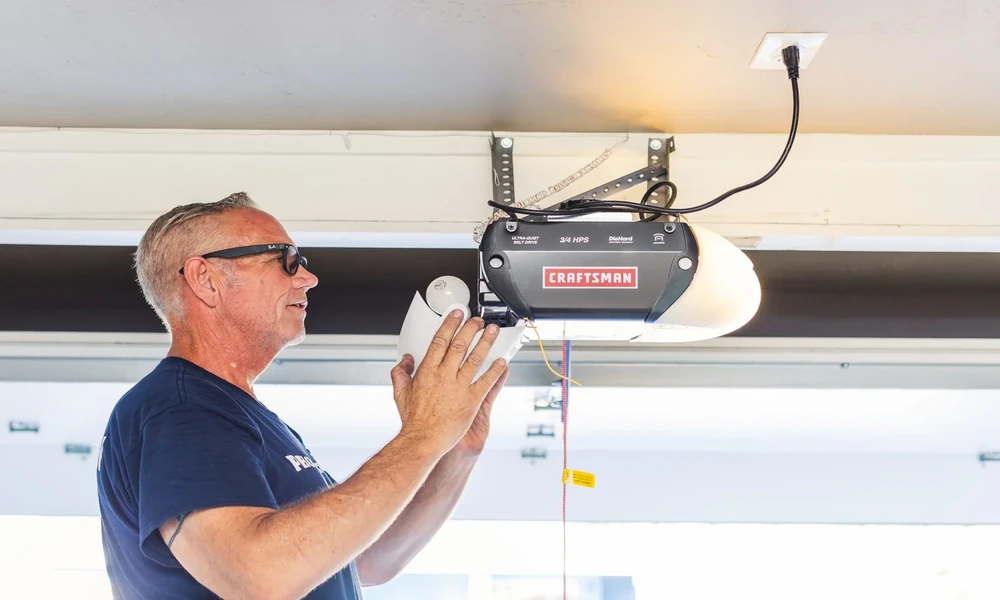
A garage door opener can feel like a small upgrade, but the wrong choice can turn convenience into a daily headache. Not every opener suits every door, and the variety in both doors and openers means that picking the perfect match requires a closer look at compatibility, features, and installation complexity.
Understanding Garage Door Types and Their Compatibility
There’s more to a garage door than meets the eye. Today’s most common design is the sectional door, built from several horizontal panels that curve along tracks. Older homes often have a single-piece door that swings out and up. Then there are custom and industrial doors, some weighing hundreds of pounds or requiring specialized openers.
Why does this matter? The type and weight of your door directly impact which openers are compatible. Sectional doors are the norm for most modern openers, but heavy one-piece doors or custom designs may need reinforced hardware, different mounting brackets, or extra horsepower.
Consider a homeowner with a 30-year-old one-piece door. Standard openers may not have the strength or movement profile required, which means either replacing the opener, the door, or both. In contrast, sectional doors welcome a broad array of openers.
Key Features of Garage Door Opener Models
The heart of any opener lies in its drive mechanism. Chain drives are affordable and can handle heavy lifting, but they’re also the loudest. Belt drives run quieter, using a reinforced rubber belt, great for attached garages where noise is a concern. Screw drive models offer decent speed and power, with fewer moving parts to maintain, but they can be less reliable in extreme climates.
Smart technology integration is now mainstream. Wi-Fi-enabled openers let you check door status, open and close remotely, and enable guest access, all from your phone. Security is another layer, with rolling-code technology and built-in lights as standard features on many modern units.
Power is a deciding factor. Standard two-car garage doors often need a 1/2 or 3/4 horsepower opener. Heavier, insulated, or oversized doors may demand a full 1 horsepower model, especially for frequent use. Quieter operation and energy efficiency are added bonuses, especially if the garage is used as a workspace or is close to living areas.
Matching Opener Models to Specific Door Types
Sectional doors pair well with chain or belt drive openers, depending on budget and noise tolerance. For a quieter experience, belt drives are ideal in attached garages. Chain drives excel with heavier, reinforced sectional doors found in many commercial settings.
With one-piece doors, the story shifts. These often require additional reinforcements or conversion kits, and not every opener is compatible. Screw drives can sometimes struggle with the wider arc of motion. Industrial or custom doors, think rolling steel doors in warehouses, need specialized openers with higher torque, advanced controls, and safety features tailored to high-traffic environments.
In one notable industrial upgrade, a factory replaced its aging sectional steel door with a high-speed, insulated replacement. Switching to a heavy-duty chain drive opener provided reliable, consistent operation, even with frequent use and fluctuating temperatures.
Step-by-Step Installation Process Illustrated
Getting ready for installation starts with a simple but crucial step: confirming your door’s compatibility. Sectional doors are usually ready to go, while one-piece doors may require updates.
The process then unfolds in three stages:
– Attaching brackets to the door and ceiling
– Assembling and securing the opener’s rail and trolley
– Connecting the opener to power and performing multiple test runs with the door
Each phase must be done with care, especially when handling heavy doors or installing ceiling-mounted hardware. Some homeowners find DIY installation manageable, especially with modern kits, but tricky configurations or tall garages can turn what looks easy into an all-day project.
There’s peace of mind in knowing help is nearby. Many turn to professional services for their expertise and efficiency. For instance, choosing Door Doctor garage door opener installation brings trained technicians who ensure safety, code compliance, and proper function, often with a warranty backing their work.
Troubleshooting and Maintenance Tips
Even the best installation can hit snags. Skipping reinforcement on a heavy door, loose hardware, or misaligned sensors are common mistakes that can be avoided with careful attention to detail. Regularly tightening hardware, lubricating moving parts, and testing the auto-reverse feature can extend the life of your opener.
When should you call a pro? If the opener strains, makes odd noises, or the door moves unevenly, it’s time for an expert’s touch. Persistent issues with smart connectivity or safety sensors also deserve professional inspection.
Hiring Professionals: When and Why It Makes Sense
Complex garage setups, especially those involving oversized or unusually heavy doors, often warrant a professional’s eye. An expert can quickly assess your needs, recommend the ideal opener, and complete the installation in a fraction of the time, reducing the risks of injury or costly mistakes.
Professional installers offer more than convenience. They bring specialized tools, installation warranties, and the peace of mind that comes from knowing the job was done right. In one case study, a homeowner upgrading their aging opener saw improved safety and quieter operation, all handled by experienced hands.
Final Thoughts: Choosing the Right Opener for Your Needs
The best garage door opener isn’t the most expensive or even the most advanced; it’s the one that matches your door’s type, weight, and your daily routine. Smart features and quiet drives add comfort, especially if your garage is part of your living space. Thinking ahead, selecting models that allow for easy upgrades or future automation, can save both time and money down the road. With thoughtful selection and the right support, your garage door opener will deliver years of reliable service.
