
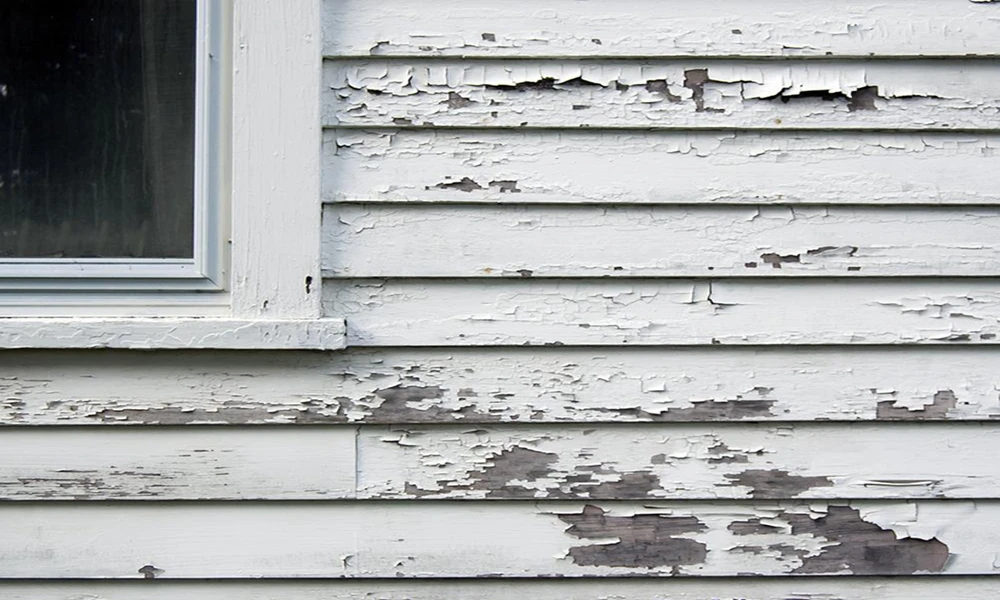
A home’s exterior paint does more than improve its appearance. It helps protect siding, trim, and other painted surfaces from moisture, sunlight, and everyday wear. Over time, however, even a carefully applied finish can begin to deteriorate.
When peeling paint, fading colors, or small cracks appear, homeowners often face a difficult question: Is it time to repaint the entire house, or would a few targeted repairs be enough?
The answer depends on the condition of the existing coating, the material underneath, and how widespread the damage has become. Understanding these differences can help homeowners make practical maintenance decisions without spending money unnecessarily.
Recognize the Difference Between Cosmetic Wear and Paint Failure
Not every visible imperfection means an exterior needs complete repainting.
Minor fading, for example, can occur as paint is exposed to sunlight and changing weather conditions. Although fading may affect curb appeal, it does not automatically indicate that the coating has lost its protective qualities.
Peeling, blistering, and widespread cracking deserve closer attention.
Peeling occurs when paint loses adhesion to the surface underneath. Blistering can result from trapped moisture, heat, or application problems. Cracking may develop as an aging coating becomes less flexible or when the underlying material moves.
Homeowners should inspect several areas rather than judging the entire house by one damaged section.
Pay particular attention to:
- Window and door trim
- Fascia boards and exposed woodwork
- Siding joints and corners
- Areas beneath rooflines and gutters
- Surfaces receiving strong afternoon sunlight
If damage appears in only one or two isolated locations, localized maintenance may be sufficient. However, when similar problems occur across multiple walls, the existing paint system may be approaching the end of its useful service life.
Know When Small Repairs Are the Smarter Choice
Targeted repairs can be appropriate when most of the exterior coating remains firmly attached and in reasonable condition.
For example, a small section of peeling paint around a window might require scraping, sanding, priming, and repainting without disturbing the surrounding wall.
Likewise, deteriorated caulking around exterior trim may need replacement before water can reach vulnerable joints.
The key is identifying and correcting the underlying problem before applying fresh paint.
Simply covering damaged areas with another coat can conceal warning signs temporarily while allowing deterioration to continue.
Small repairs are generally more practical when the affected surfaces are limited, the underlying material remains sound, and the existing paint can accept a compatible new coating.
Color matching also matters. Older exterior paint may have faded enough that a newly painted patch becomes noticeable, even when the original color is used.
Homeowners should consider both the appearance and protective function of a repair before deciding whether patchwork will produce a satisfactory result.
Understand When Professional Assessment Makes Sense
Some exterior painting problems are difficult to evaluate from ground level.
Recurring peeling, persistent moisture stains, soft wood, and widespread coating failure can indicate problems that go beyond routine cosmetic maintenance.
In these situations, a qualified painting professional can help distinguish between surfaces that need preparation and repainting and materials that require repair or replacement first.
For homeowners comparing maintenance options, consulting a Long Island painting contractor can provide a starting point for discussing exterior surface conditions, preparation requirements, and the likely scope of a painting project.
This is particularly relevant when evaluating homes exposed to coastal humidity, seasonal temperature changes, and wind-driven rain.
A useful assessment should address more than the visible condition of the paint.
Homeowners can ask whether moisture problems need investigation, which sections require additional preparation, whether primer is necessary, and how repaired areas will blend with the existing finish.
They should also request a clearly defined scope of work so that surface repairs, preparation, materials, and painting responsibilities are understood before work begins.
Consider the Age and Condition of the Entire Exterior
Paint deterioration rarely develops uniformly across a house.
A shaded wall may remain attractive while a sun-exposed elevation shows substantial fading or cracking. Similarly, protected areas beneath overhangs may experience less direct weather exposure than exposed trim and siding.
This variation makes it important to evaluate the whole exterior before choosing between partial and complete repainting.
Homeowners should consider whether the remaining coating is consistently sound, how many sections require maintenance, and whether multiple repair visits might eventually cost more than a coordinated repainting project.
The condition of the underlying materials is equally important.
Wood rot, loose siding, failed sealant, and water intrusion should be addressed before repainting. New paint cannot restore structural integrity to deteriorated materials.
For older homes, additional precautions may also be necessary. Paint disturbance in houses built before 1978 can involve lead-paint hazards, making appropriate testing and lead-safe work practices important.
A thorough inspection helps separate routine painting decisions from repairs that require specialized attention.
Plan Exterior Painting Around Preparation and Weather
Whether a project involves one wall or the entire house, successful painting begins with appropriate preparation.
Surfaces generally need to be clean, dry, and free of loose coatings. Depending on the material and its condition, preparation may involve washing, scraping, sanding, caulking, and applying a suitable primer.
Weather conditions also affect the process.
Painting during rain, excessive humidity, or temperatures outside the manufacturer’s recommended application range can interfere with proper drying or curing.
Rather than relying on a particular calendar date, homeowners should consider the forecast, surface moisture, and the requirements of the selected coating.
Scheduling also requires realistic expectations.
A project involving extensive repairs and preparation will naturally require more work than a straightforward repaint of surfaces already in good condition.
Understanding these requirements helps homeowners compare estimates based on the actual work proposed rather than price alone.
Conclusion
Deciding between exterior repainting and small repairs requires more than looking at faded colors or peeling edges.
The most practical approach is to examine how widespread the damage is, investigate potential moisture problems, assess the condition of underlying materials, and consider whether localized maintenance will remain effective.
Minor deterioration can often be corrected without repainting an entire property. Widespread coating failure, however, may justify a more comprehensive approach.
By identifying problems early and prioritizing proper preparation, homeowners can make better maintenance decisions, protect vulnerable exterior surfaces, and keep their properties looking well cared for.
