
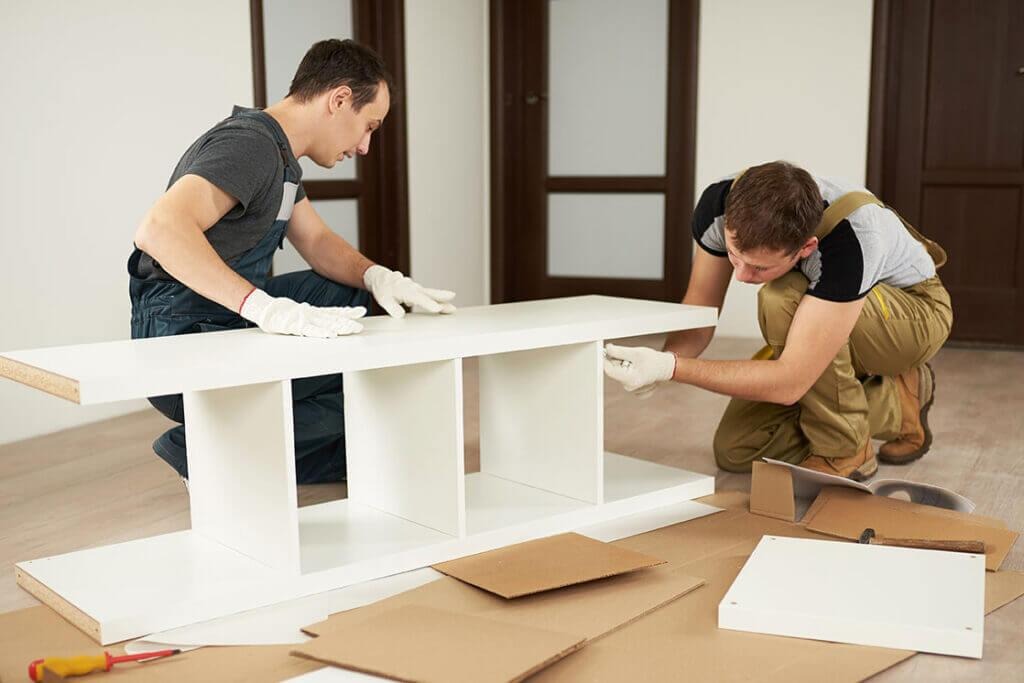
Furniture is an essential part of every interior space, shaping how we live, work, and relax. It goes far beyond simple utility; furniture reflects personal taste, supports daily activities, and defines the overall atmosphere of a room. Whether in a home, office, or commercial environment, thoughtfully chosen furniture creates balance between comfort, functionality, and visual appeal.
The Importance of Furniture in Modern Life
In modern lifestyles, furniture plays a vital role in enhancing convenience and well-being. A comfortable bed supports healthy sleep, a well-designed sofa encourages relaxation, and an ergonomic chair improves posture and productivity. Furniture also helps organize spaces efficiently, providing storage solutions that reduce clutter and improve movement within a room. When selected wisely, furniture contributes to both physical comfort and mental calm.
Furniture for Different Spaces
Home Furniture
Residential furniture is designed to meet everyday needs while reflecting personal style. Living room furniture such as sofas, coffee tables, and TV units creates a welcoming environment for family and guests. Bedroom furniture focuses on comfort and storage, with beds, wardrobes, and bedside tables playing key roles. Dining room furniture brings people together, making meals more enjoyable and social.
Office Furniture
Office furniture is centered on efficiency and ergonomics. Desks, workstations, chairs, and storage units are designed to support long working hours while minimizing physical strain. Modern office furniture often combines sleek designs with smart features like adjustable heights, modular layouts, and cable management systems to enhance productivity.
Commercial Furniture
Furniture used in hotels, restaurants, retail stores, and other commercial spaces must balance aesthetics with durability. These environments demand furniture that can withstand heavy usage while maintaining a polished appearance. Well-designed commercial furniture also strengthens brand identity and improves customer experience.
Materials That Shape Furniture Quality
The materials used in furniture determine its durability, comfort, and visual appeal.
- Wood is a classic choice known for its strength, warmth, and timeless beauty. Solid wood offers long-lasting quality, while engineered wood provides versatility and affordability.
- Metal furniture is popular for its durability and modern look, often used in offices and industrial-style interiors.
- Upholstered furniture, featuring fabric or leather, adds comfort and luxury, especially in sofas, chairs, and beds.
- Glass and stone elements bring elegance and lightness, commonly used in tables and decorative pieces.
Choosing the right material ensures furniture suits the intended environment and usage.
Custom Furniture and Personalization
Custom furniture has become increasingly popular as people seek unique solutions tailored to their spaces. Customization allows control over size, design, color, and materials, making it ideal for compact areas or specific interior themes. Unlike mass-produced furniture, custom pieces maximize functionality while reflecting individual preferences and lifestyle needs.
Popular Furniture Design Styles
Furniture styles vary widely, allowing homeowners and businesses to express character and mood:
- Modern style emphasizes clean lines, neutral colors, and simplicity.
- Traditional style features classic designs, rich finishes, and detailed craftsmanship.
- Contemporary style blends modern elements with current trends.
- Minimalist style focuses on functionality, open spaces, and clutter-free design.
- Industrial style uses raw materials like metal and wood for a bold, urban look.
Selecting a consistent style helps create harmony across interiors.
Furniture Maintenance and Care
Proper care is essential to maintain the beauty and longevity of furniture. Regular cleaning prevents dust buildup and surface damage. Using suitable cleaning products for different materials protects finishes and upholstery. Avoiding prolonged exposure to sunlight helps prevent fading, while protective accessories like coasters and covers reduce wear and tear. Routine maintenance ensures furniture remains functional and attractive for years.
Sustainable and Eco-Friendly Furniture
Sustainability is becoming a key factor in furniture choices. Eco-friendly furniture uses responsibly sourced materials, non-toxic finishes, and durable construction that reduces waste. Investing in sustainable furniture not only supports environmental responsibility but also offers better long-term value through quality and durability.
How to Choose the Right Furniture
When selecting furniture, consider the size of the space, purpose, comfort, and budget. Measuring rooms accurately helps avoid overcrowding, while prioritizing comfort ensures long-term satisfaction. Quality furniture should be seen as an investment, offering durability, functionality, and timeless appeal rather than short-term trends.
Conclusion
Furniture is the foundation of any well-designed space. It influences comfort, organization, and style while supporting everyday activities. Whether for homes, offices, or commercial environments, the right furniture dubai enhances both functionality and aesthetics. By focusing on quality materials, thoughtful design, and proper care, furniture becomes more than décor—it becomes an integral part of a comfortable, stylish, and purposeful living environment.
