
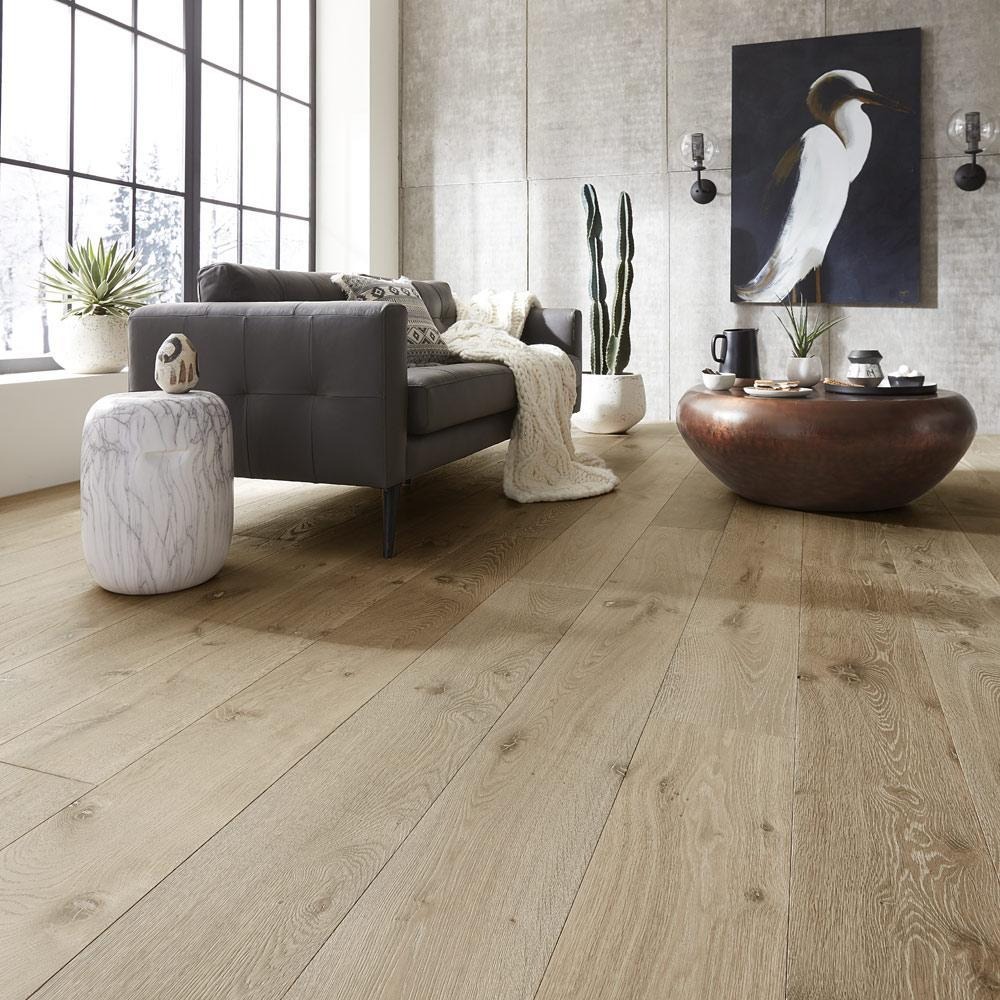
Wooden flooring has long been regarded as one of the most sophisticated and enduring flooring solutions for residential and commercial interiors. Its natural warmth, visual richness, and proven durability make it a preferred choice for homeowners, designers, and architects alike. Whether used in traditional homes or contemporary commercial spaces, wooden flooring delivers a balance of aesthetics, comfort, and long-term value that few other flooring options can match.
What Is Wooden Flooring?
Wooden flooring refers to floor surfaces made from natural wood or engineered wood products. It is available in several formats, including solid hardwood flooring, engineered wood flooring, and parquet flooring. Each type is designed to highlight the natural grain, texture, and color variations of wood, creating a unique floor pattern that cannot be replicated by synthetic materials. Popular wood species include oak, walnut, teak, maple, and ash, each offering distinct visual and performance characteristics.
Key Advantages of Wooden Flooring
One of the primary reasons wooden flooring remains consistently popular is its wide range of benefits. First and foremost, it offers timeless aesthetic appeal. Unlike trend-based flooring materials, wood never goes out of style. Its natural tones blend effortlessly with various interior themes, from classic to minimalist.
Durability is another significant advantage. High-quality wooden flooring, when properly installed and maintained, can last for decades. Solid wood floors can even be sanded and refinished multiple times, restoring their original appearance and extending their lifespan. Engineered wooden flooring, on the other hand, provides enhanced stability, making it suitable for environments with fluctuating temperatures and humidity levels.
Wooden flooring also improves indoor comfort. It feels warmer underfoot compared to stone or tile and provides better insulation, contributing to a cozy and inviting atmosphere. Additionally, wood floors do not trap dust, allergens, or pet dander, making them a healthier option for indoor air quality.
Common Applications of Wooden Flooring
Wooden flooring is extremely versatile and can be installed across a wide range of spaces. In residential settings, it is commonly used in living rooms, bedrooms, dining areas, and home offices. Its elegant appearance enhances the overall value of the property while creating a welcoming ambiance.
In commercial environments, wooden flooring is often chosen for offices, boutiques, hotels, restaurants, and luxury retail spaces. It conveys professionalism and warmth, helping businesses create refined and comfortable interiors. Engineered wood flooring is particularly suitable for such applications due to its structural stability and resistance to wear.
Types of Wooden Flooring
Solid hardwood flooring is manufactured from a single piece of natural wood. It is highly durable and ideal for long-term installations where refinishing may be required in the future. However, it is more sensitive to moisture and temperature changes.
Engineered wooden flooring consists of a real wood veneer layered over a plywood or high-density fiberboard core. This construction offers improved resistance to expansion and contraction, making it suitable for apartments, high-rise buildings, and areas with underfloor heating.
Parquet flooring features small wooden blocks arranged in decorative patterns such as herringbone or chevron. It adds a distinctive design element and is often used in premium residential and hospitality interiors.
Maintenance and Care Tips
Maintaining wooden flooring is relatively straightforward but essential for preserving its beauty and performance. Regular sweeping or vacuuming helps remove dust and grit that could scratch the surface. Damp mopping should be done with minimal water and appropriate wood floor cleaners, as excessive moisture can damage the wood.
It is advisable to use protective pads under furniture legs and avoid dragging heavy items across the floor. Area rugs can be placed in high-traffic zones to reduce wear. Periodic polishing or refinishing, depending on the type of wooden flooring, will help maintain its sheen and extend its lifespan.
Why Wooden Flooring Is a Smart Investment
From a financial perspective, wooden flooring is considered a value-adding investment. Properties with wood floors often command higher resale values due to their premium appearance and durability. Unlike many flooring materials that require frequent replacement, wooden flooring offers long-term cost efficiency.
Environmentally conscious buyers also appreciate wooden flooring, especially when sourced from sustainably managed forests. Many modern wooden flooring products are certified and manufactured using eco-friendly processes, making them a responsible choice for sustainable construction and interior design.
Conclusion
Wooden flooring remains a benchmark for quality, elegance, and performance in interior spaces. Its natural beauty, versatility, durability, and health benefits make it suitable for a wide range of applications, from private homes to commercial establishments. With proper selection, professional installation, and regular maintenance, wooden flooring can enhance any space while delivering comfort and value for years to come. For those seeking a flooring solution that combines timeless design with practical functionality, wooden flooring continues to be an unmatched choice.
