
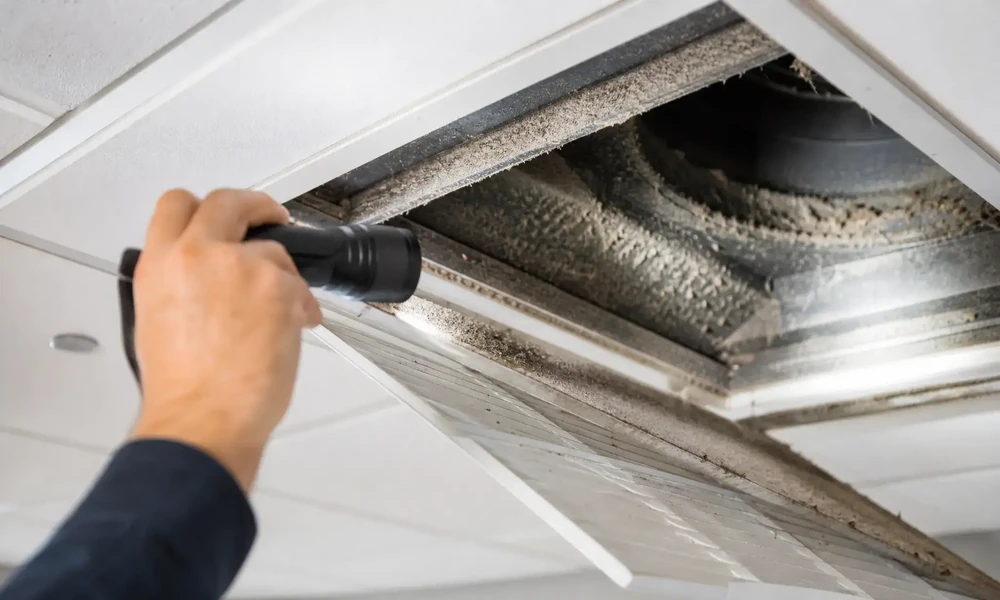
Picture a Healdsburg tasting room or a Petaluma dental office opening on a Monday morning. The HVAC starts up, and by lunch there’s a thin gray film on the front counter. Staff say the back office always smells a little stale, and a client with allergies sneezes through her whole appointment. Few people would blame the ductwork above the ceiling tiles, yet that’s often where the problem starts.
Buildings in this part of wine country deal with vineyard dust, heavy oak and grass pollen, and residue from several major wildfire seasons. That makes commercial air duct cleaning in Sonoma County something to plan ahead for. Air Doctor, a Santa Rosa company working since 1993 with NADCA certified technicians, has cleaned everything from apartment complexes to a children’s health center. Whichever crew you hire, the points below will help you judge whether the work was done properly.
Commercial Systems Are Built Differently From Home Systems
A house usually has one furnace and a simple set of ducts. A commercial building might have several rooftop units, variable air volume boxes feeding separate zones, fire and smoke dampers, and a ceiling space that doubles as a return air path. Open ceiling returns collect whatever falls or drifts into them, including ceiling tile dust, cable debris and dead insects.
These systems also run longer and serve more people. Every employee and customer adds skin flakes, clothing lint and outdoor grit tracked in on shoes. Printers and copiers add fine toner particles. NADCA’s ACR standard, the industry’s main guideline for commercial systems, sets inspection intervals by building type. Healthcare facilities and busy commercial spaces get checked more often than homes, generally every one to two years.
Buildings Around the County That Get Dirty Fastest
Some businesses build up duct contamination much faster than others, often because of what happens inside the building.
- Hotels, inns and vacation rentals. Linen lint, constant guest turnover and in-room fan coil units keep these systems busy all year.
- Wineries and tasting rooms. Harvest brings dust and plant debris. Humid barrel rooms can support mold on coils and in drain pans.
- Medical, dental and veterinary clinics. Infection control depends on clean air handling, and vet clinics also deal with large amounts of pet hair and dander.
- Salons. Hairspray, nail filing dust and product vapors leave a sticky layer on duct walls that traps even more dirt.
- Schools and daycares. Many occupants share one system, and summer break is usually the only good time to clean.
- Apartment complexes. Renovations between tenants spread drywall dust through shared or unit systems, and unsealed register boots let attic air in.
- Restaurants. Grease can travel beyond the kitchen into general ductwork. The range hood exhaust itself falls under separate fire code rules (NFPA 96) and usually needs a specialist hood cleaning company.
Wildfire Smoke Stays in the Ductwork
Many buildings in Santa Rosa, Windsor and Sonoma Valley are still dealing with residue from the Tubbs, Kincade and Glass fires. Fine soot passes easily through the basic filters many older rooftop units still use. It settles in duct linings, on coils and in return plenums. The smell often comes back on humid days or when the heat runs for the first time in fall, long after the sky has cleared.
After a heavy smoke event, a sensible response follows three steps.
- Replace every filter right away, even if it isn’t due.
- Have the coils, blower and drain pans inspected for soot and odor.
- Arrange a cleaning if the inspection finds residue inside the ducts.
California’s Title 24 energy code now requires MERV 13 filtration for new nonresidential ventilation systems, a big step up from older standards. Upgrading older equipment to that level, where the fan can handle the extra resistance, helps a lot during future smoke seasons.
Cleaning Without Closing Your Business
Business owners often worry they’ll have to shut down for the work. A well organized crew can avoid that. Most commercial cleaning happens at night or on weekends, one zone at a time, so the building never goes fully offline.
In occupied or clinical areas, crews should put up plastic containment around ceiling openings and use HEPA filtered negative air machines so dust doesn’t escape into rooms. Desks, computers and inventory get covered before any ceiling tile comes down. Large main ducts are cleaned with truck mounted or gas powered vacuums that pull far more air than portable units, while rotating brushes and air whips loosen debris.
Two details show whether a crew is careful. Any access openings cut into the ducts should be closed with proper access panels, not just taped over. And sanitizers or coatings should only be used when there’s a clear reason, such as confirmed microbial growth, and only with products registered for use in HVAC systems.
Documentation That Proves the Work Was Done
Since the inside of a duct is out of sight, paperwork is your only proof of quality. Before you sign off on payment, you should have the following.
- A pre-cleaning inspection report with photos of real conditions inside your system
- A written scope listing each air handler, supply trunk, return path and coil
- Before and after photos taken at the same access points
- Notes on damaged duct liner, disconnected sections or leaks the crew found
- Confirmation that a certified Air Systems Cleaning Specialist oversaw the job
- A current certificate of insurance and an active California contractor license
Keep these records on file. They’re useful when a tenant raises an air quality complaint, when an insurer asks about smoke damage, or when the next inspection comes due and someone needs to know what was done last time.
Budgeting for It
Commercial pricing depends on the number of air handlers, the length and size of the duct runs, ceiling height and how hard it is to reach the system. Quotes based on per vent pricing often leave out the equipment where most of the dirt collects. Ask for a quote that covers the entire system. It’s also worth combining the cleaning with a filter upgrade and some basic duct sealing, since leaky joints will pull dust back into a freshly cleaned system.
Clean ductwork won’t be visible to your staff or customers, but they’ll notice the difference. Surfaces stay less dusty, fewer people complain about the air, and the building smells fresh when you open up in the morning.
