
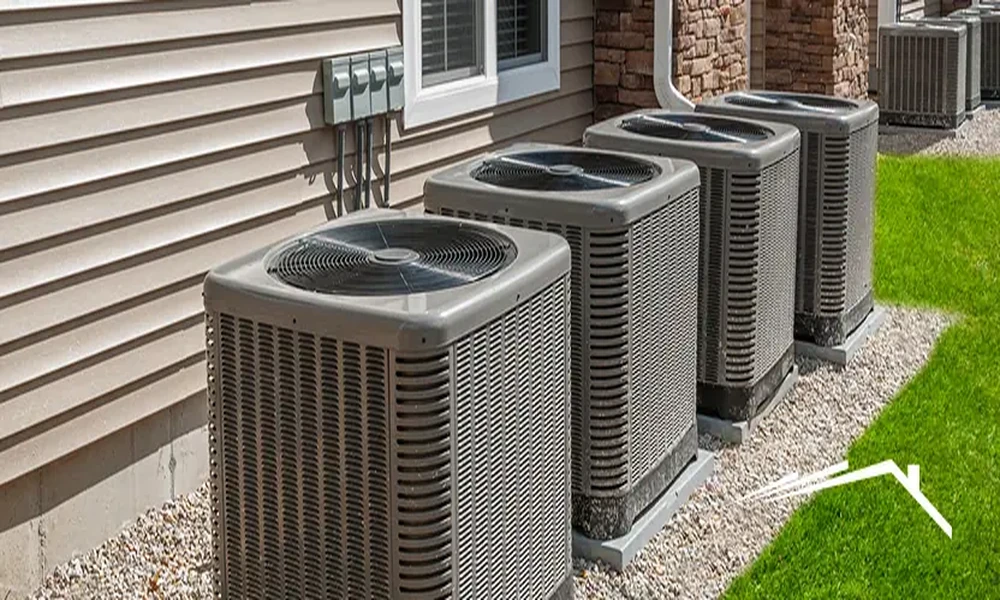
Replacing an aging HVAC system is one of the most significant investments a commercial property owner can make. While it may be tempting to keep repairing an older system, there comes a point when frequent breakdowns, rising energy costs, and inconsistent performance outweigh the benefits of extending its lifespan.
Planning a replacement requires more than choosing a newer model. Understanding your property’s unique needs and working with experienced providers of commercial HVAC services Maysville can help ensure the new system delivers reliable performance, improved efficiency, and long-term value. Before making a decision, it’s important to evaluate several key factors that can affect both your budget and your building’s comfort.
Know When Replacement Makes More Sense Than Repairs
Commercial HVAC systems are built to last, but they are not designed to operate indefinitely. Most systems have an average lifespan of 15 to 20 years, depending on maintenance, usage, and environmental conditions.
If your equipment requires frequent repairs, struggles to maintain comfortable temperatures, or causes unusually high utility bills, replacement may be the more cost-effective option. Continuing to repair an aging system often results in higher long-term expenses while increasing the risk of unexpected downtime.
A professional assessment can help determine whether repair or replacement is the better investment.
Evaluate Your Building’s Current Needs
Many commercial properties evolve over time. Renovations, business expansion, changes in occupancy, or updated equipment can all affect heating and cooling demands.
A replacement project is an opportunity to reassess your property’s requirements instead of simply installing the same size system that was originally used. An HVAC system that is too small may struggle to maintain comfort, while an oversized unit can cycle on and off too frequently, reducing efficiency and increasing wear.
Proper load calculations ensure your new system is appropriately sized for your building’s current conditions.
Consider Energy Efficiency
Energy efficiency is one of the biggest advantages of replacing an older commercial HVAC system. Modern equipment often includes advanced technology that consumes less energy while providing better temperature control.
High-efficiency systems can help lower monthly operating costs, especially in commercial buildings where HVAC systems run for extended periods each day. Features such as variable-speed motors, smart controls, and improved heat exchange technology contribute to better performance without unnecessary energy consumption.
Although high-efficiency equipment may involve a larger upfront investment, many businesses find that the long-term savings offset the initial cost.
Think About Indoor Air Quality
Today’s commercial HVAC systems do much more than regulate temperature. Indoor air quality has become an increasingly important consideration for offices, retail spaces, healthcare facilities, schools, and other commercial environments.
A new system may include improved air filtration, humidity control, and better ventilation capabilities that create a healthier indoor environment for employees, customers, and visitors.
Cleaner indoor air can also reduce dust buildup and improve overall comfort throughout the building.
Plan for Minimal Business Disruption
Replacing a commercial HVAC system can temporarily affect daily operations if not carefully planned.
Work with your contractor to develop a replacement schedule that minimizes interruptions. Many installations can be completed during evenings, weekends, or slower business periods to reduce the impact on employees and customers.
Clear communication throughout the project helps ensure everyone understands the installation timeline and any temporary adjustments that may be necessary.
Review Available Technology
Commercial HVAC technology has advanced considerably over the past decade. Modern systems often include features that improve convenience, efficiency, and system management.
Some valuable options include:
- Smart programmable thermostats
- Building automation system integration
- Zoned temperature control
- Remote monitoring capabilities
- Energy usage reporting
- Preventive maintenance alerts
These technologies allow property managers to monitor system performance more effectively while identifying potential issues before they become major problems.
Understand Installation Costs Beyond Equipment
The cost of replacing a commercial HVAC system involves more than purchasing new equipment.
Additional expenses may include:
- Ductwork modifications
- Electrical upgrades
- Structural adjustments
- Removal and disposal of old equipment
- Permits and inspections
- Installation labor
Obtaining a detailed estimate helps prevent unexpected costs later in the project. Comparing proposals based on overall value rather than price alone often leads to better long-term results.
Choose the Right Contractor
The quality of installation plays a major role in the long-term performance of any HVAC system.
Look for contractors with commercial experience, proper licensing, and a strong reputation for quality workmanship. Experienced providers of commercial HVAC services Maysville understand the unique challenges associated with commercial properties and can recommend systems that match your building’s operational needs.
Ask about warranties, maintenance programs, and post-installation support before making your final decision.
Don’t Overlook Preventive Maintenance
A new HVAC system represents a significant investment that deserves proper care from day one.
Routine maintenance helps maximize equipment lifespan, improve efficiency, and reduce the likelihood of costly repairs. Regular inspections also allow technicians to identify minor issues before they develop into larger problems.
Many businesses benefit from scheduled maintenance agreements that include seasonal inspections, filter replacements, cleaning, and system performance checks.
Consider Long-Term Operating Costs
While purchase price is important, it should not be the only factor guiding your decision.
A lower-cost system may require more maintenance, consume more energy, or have a shorter lifespan than a higher-quality alternative. Evaluating total ownership costs-including energy consumption, maintenance, repairs, and expected service life-provides a more complete picture of the investment.
Choosing a reliable, energy-efficient system often delivers better financial value over many years of operation.
Final Thoughts
Replacing an aging commercial HVAC system is a major decision that affects your building’s comfort, operating costs, and overall efficiency. Careful planning allows property owners to select equipment that meets current needs while preparing for future growth.
By evaluating system performance, energy efficiency, installation requirements, and long-term maintenance, businesses can make informed decisions that provide lasting benefits. Partnering with experienced commercial HVAC professionals helps ensure the replacement process is completed smoothly, allowing your property to enjoy dependable climate control for years to come.
====================================================================
