
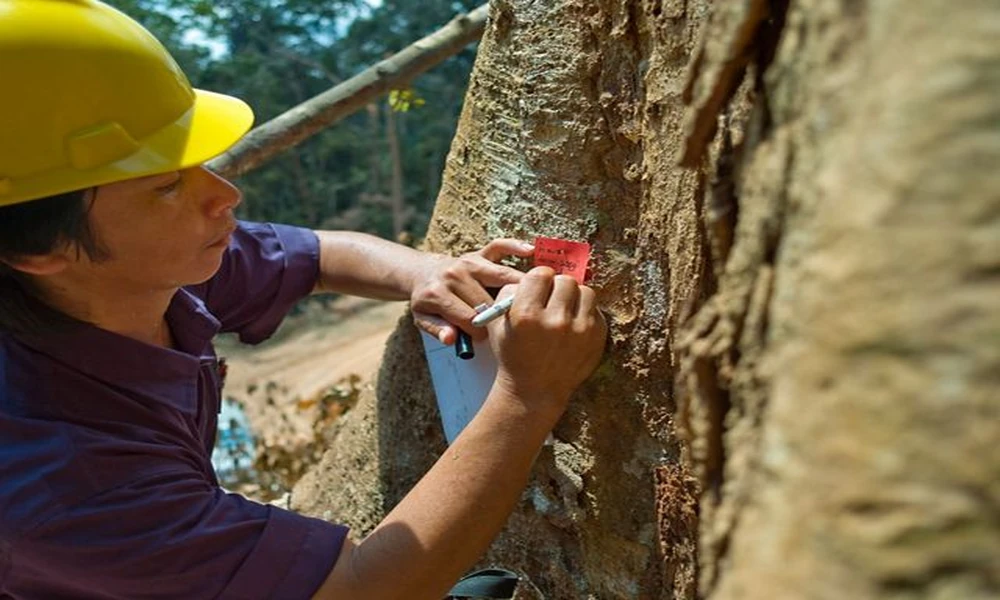
Local woods are your fastest, most verifiable forest climate lever because you can lock in existing carbon stocks now and avoid near-term emissions from logging, soil disturbance, and transport. You also strengthen biodiversity and resilience by keeping intact soils, deadwood, and connected habitat corridors that store carbon longer. With local governance, you can match permits, enforcement, and financing to watersheds or municipal boundaries, fund stewardship via revolving funds, and prove results with third-party carbon data and public dashboards-making local woods one of our most actionable climate solutions. Next comes the how.
What “Local Woods” Means: and Why They Matter
Where do “local woods” begin-and why does that boundary matter? You define them less by a map and more by governance: who decides, who benefits, and who bears risk. When you anchor decisions in local ownership, you shorten feedback loops between harvesting, habitat, water quality, and public trust. Evidence from place-based management shows compliance improves when rules align with local livelihoods and monitoring capacity. You also unlock faster innovation: cooperatives can test low-impact access, digital inventory tools, and value-added processing without waiting for distant approvals. Policy-wise, “local” matters because funding, permits, and enforcement work best at matched scales-watersheds, municipal forests, tribal lands. With community led stewardship, you design durable institutions that resist boom-bust extraction and strengthen resilience across the supply chain.
How Local Woods Store Carbon Today
How do local woods store carbon right now? You benefit from a living system that draws CO₂ through photosynthesis, locks it into wood, leaves, and roots, and transfers a meaningful share belowground as litter and root exudates. You also rely on soils that stabilize carbon by binding it to minerals and protecting it in aggregates, especially where disturbance stays low. With local ownership, you can align harvesting schedules, trail design, and fuel management with measurable carbon outcomes using inventories, remote sensing, and verification protocols. Urban partnerships help, too: they can finance monitoring, reduce edge pressures through coordinated land-use planning, and fund green buffers that limit heat, drought stress, and pest risk. That’s climate performance you can govern locally.
Why Keeping Local Woods Standing Beats Replanting
When you keep local woods standing, you lock in existing carbon stocks now, rather than betting on future uptake. You also protect biodiversity that mature, intact forests support-value you can’t quickly recreate with a planting plan. And by avoiding the decades-long replanting time lag, you reduce near-term climate risk, which makes protection-first policy a higher-impact lever.
Immediate Carbon Storage
Right now, the fastest way to cut forest-related emissions isn’t to plant more trees-it’s to keep existing local woods standing. You avoid the upfront carbon pulse from logging, soil disturbance, and transport, and you keep decades of stored carbon locked in place today, not in 2050.
When you prioritize protection, you can finance it with verified carbon credits, conservation easements, and climate-smart zoning that steers growth away from high-carbon stands. You also strengthen local economies by keeping stewardship jobs, monitoring contracts, and recreation revenue in-region. Community stewardship makes compliance cheaper: locals detect illegal harvests faster and manage fire risk with targeted thinning near homes rather than broad clearcuts. If you’re designing climate policy, treat intact local woods as immediate infrastructure-high-value, low-regret, and ready now.
Irreplaceable Biodiversity Value
Why does keeping local woods standing beat replanting for biodiversity? Because you’re protecting an evolved, place-based web of life that policy can’t quickly rebuild. Local biodiversity depends on intact soils, fungi, deadwood, and microclimates that support specialized insects, birds, and understory plants. When you keep mature stands, you preserve ecological networks that drive forest resilience under heat, drought, and pests.
- Maintain continuous habitat corridors that reduce fragmentation and extinction risk
- Protect native genotypes and symbiotic mycorrhizae that regulate nutrients and water
- Retain structural complexity-canopy layers, snags, and coarse woody debris-critical for nesting and decomposition
For innovation-minded climate action, prioritize protection-first governance: strengthen no-net-loss rules, fund conservation easements, and reward land stewards for verified biodiversity outcomes, not just planting targets.
Avoiding Replanting Time Lag
How long does it take a replanted forest to deliver the climate services you’re counting on? Decades. Seedlings store little carbon at first, soils can lose carbon after disturbance, and heat, drought, and pests can wipe out young stands before they scale. If you cut now and “plant later,” you create a carbon debt you’ll carry through your next planning cycles.
You can avoid that time lag by keeping local woods standing and managing them for resilience. Protect mature canopy, retain deadwood, and reduce fragmentation so existing ecosystems keep absorbing and buffering immediately. Pair this with local governance that aligns zoning, harvest limits, and wildfire risk reduction. Then fund community stewardship to monitor outcomes, enforce protections, and iterate fast using adaptive management and transparent carbon accounting.
When Local Timber Lowers Emissions (and When It Doesn’t)
You can’t assume local timber is automatically low-carbon because transport distance, mill efficiency, and fuel sources can outweigh the benefits of shorter supply chains. You also shape the climate outcome through harvest intensity and what replaces removed carbon-fast, verified regrowth can repay the carbon “debt,” while slow or uncertain regrowth locks in higher net emissions. If you want policy that cuts emissions, you’ve got to account for both the supply-chain footprint and the forest carbon balance over time.
Transport And Processing Emissions
Where do the climate benefits of “local” timber actually come from-shorter truck miles, cleaner processing, or both? You’ll only know if you treat transport and milling as part of the system in your carbon accounting, not as an afterthought. Local markets can cut diesel and congestion, but “local” isn’t automatically low-carbon if logs make multiple trips or mills run on fossil heat. Focus on the leverage points you can measure and govern:
- Shift freight from long-haul trucking to rail, backhauls, and optimized routing.
- Require mills to disclose energy sources and adopt electrified, renewable heat.
- Standardize LCAs in procurement so bids reward verified, lower-emission supply chains.
Policy that ties incentives to audited data helps you avoid green labels and fund real reductions.
Harvest Intensity And Regrowth
In practice, the climate payoff from “local” timber depends less on distance and more on harvest intensity and the pace of regrowth on the acres supplying that wood. If you cut faster than forests recover, you create a carbon debt that can take decades to repay, even with efficient mills and short hauls. You’ll get better outcomes when you match removals to growth, prioritize longer rotations, and protect high-carbon stands and soils.
You also need to manage regrowth tradeoffs: faster regeneration can mean more site prep, herbicides, or fertilization, while lighter-touch approaches may store more carbon but yield less near-term fiber. Policy can align incentives through stocking standards, monitoring, and pay-for-performance carbon accounting that credits durable products only when net forest carbon rises.
Who Can Protect Local Woods: 5 Practical Moves
How do local woods stay standing when land values rise and budgets shrink? You protect them by aligning local governance with community engagement, then locking in durable incentives. Start by mapping priority parcels against flood, heat, and biodiversity risks so decisions follow measurable public benefits. Next, braid funding-stormwater fees, carbon revenues, and utility resilience dollars-so protection doesn’t rely on one grant cycle. Use zoning overlays and transfer-of-development-rights to steer growth away from high-value habitat while keeping housing targets feasible.
- Form a cross-agency “woods cabinet” to coordinate permits, enforcement, and data.
- Back land trusts with revolving funds and rapid-purchase authority.
- Require equitable access plans so benefits reach frontline neighborhoods.
Finally, publish performance dashboards to keep commitments auditable and adaptive over time.
How to Tell if Local Woods Are Really Helping
So what proves your local woods do more than look green on a map? You track outcomes, not acres. Start with verified carbon data: plot-level inventories, remote sensing, and third-party baselines that show additionality and permanence. Next, check biodiversity indicators-regeneration rates, habitat connectivity, and invasive control-because resilient forests store carbon longer. Then follow the money and rules: local ownership with enforceable management plans, conservation easements, or community forest governance reduces leakage from outside speculation. Demand transparent monitoring dashboards and open contracts. Finally, test social performance: reliable public access, safe trails, and equitable harvesting or recreation benefits. If metrics improve year over year and policies lock them in, your woods are truly helping, not just branding.
Frequently Asked Questions
What Laws Affect Harvesting and Conservation in Local Forests?
You’re guided by a “guardrail” mix of federal, state, and local laws that quietly shape what you can cut, keep, and restore. You’ll face federal rules like NEPA, ESA, and the Clean Water Act, plus state regulation on permits, replanting, wildfire risk, and riparian buffers. Local ordinances can cap harvest size and road building. Conservation easements and certification programs steer management, including protections for non timber forests and habitat corridors.
How Do Indigenous Land Rights Shape Local Wood Management?
Indigenous land rights shape local wood management by giving you a governance framework rooted in indigenous sovereignty, which shifts decision power over access, harvest levels, and restoration. You’ll often align permits, monitoring, and benefit-sharing with community stewardship, improving compliance and ecological outcomes. When you integrate urban forestry plans, you can extend cultural practices into city woodlots. If you engage carbon markets, you must structure credits to protect tenure and prevent leakage.
Can Urban Tree Canopies Count as “Local Woods” for Climate Benefits?
Yes-urban tree canopies can count as “local woods” for climate benefits, and they’re a game-changer beyond belief. You’ll get measurable cooling, stormwater capture, air-quality gains, and modest carbon storage if you manage an urban canopy as infrastructure. In city forestry, you should pair planting with maintenance, species diversity, and heat-vulnerability targeting. You’ll also need policies for tree protection, equitable funding, and long-term monitoring to verify outcomes.
How Do Pests and Diseases Alter Local Woods’ Carbon Storage Long-Term?
Pests and diseases can cut your local woods’ carbon storage for decades by killing trees, slowing growth, and shifting species toward lower‑biomass or faster‑turnover stands. Pest dynamics and disease outbreaks also add deadwood that releases carbon as it decomposes, while repeated disturbance can deplete soils and reduce future uptake. You can protect long-term storage with monitoring, diversified planting, targeted sanitation, and policies funding early detection plus resilient genotypes.
Where Can I Find Verified Data on My Region’s Forest Carbon Trends?
Like a dashboard that won’t lie, you can find verified datasets on your region’s forest carbon in national forest inventories (e.g., FIA in the U.S.), environment ministries, and peer-reviewed monitoring networks. You should also check IPCC-aligned greenhouse-gas inventory portals and open remote-sensing products (NASA, ESA) paired with ground plots. For policy-ready regional carbon trends, use methods reports, uncertainty bounds, and versioned data releases to ensure traceability.
Conclusion
You’ve seen that “local woods” aren’t sentimental-they’re a high-leverage climate asset. You cut emissions fastest when you keep mature stands intact, since carbon stocks and biodiversity can’t be replanted on a policy timetable. Use local timber only where lifecycle accounting shows durable storage and displacement of high-carbon materials. Protect what’s left with zoning, easements, and incentives for stewardship. Like a sundial in a server room, they remind you: nature’s clocks run long.
